
Moving from California to Boise: A 2026 Relocation Guide
![[HERO] Moving from California to Boise: A 2026 Relocation Guide](https://cdn.marblism.com/isSga_-auJ4.webp)
AI Quick Answer: What should I know about moving from California to Boise in 2026?
Relocating from California to Boise remains a top trend in 2026 due to housing affordability and significant tax savings (Idaho's flat 5.695% income tax). The median home price in the Treasure Valley hovers between $485,000 and $540,000, offering much higher buying power than coastal California. Buyers should prepare for a four-season climate, a slower pace of life, and a more balanced real estate market with average closing times of 30–45 days.
If you're reading this from California and seriously considering a move to Boise, you're in good company. Idaho continues to rank among the top inbound migration states in the country, and California consistently leads the list of where new Boise residents are coming from.
The reasons are clear, but the relocation process involves more than packing a moving truck and pointing it north. This guide walks you through the financial, lifestyle, and practical realities of moving from California to the Treasure Valley in 2026: the way I'd explain it to a client over coffee.
What Is Moving from California to Boise Like in 2026?
The migration pattern from California to Idaho is not a passing trend; it’s a lifestyle evolution. According to the 2026 HireAHelper Migration Report, Idaho added 63.2 net residents per 10,000 people in 2025, ranking second in the nation. While Seattle currently ranks first for search volume, Boise homebuyer searches show consistent, heavy demand from Los Angeles, San Diego, and San Francisco.
In 2026, "moving to Boise" means joining a "Magnetic Metro." This term refers to cities that attract talent and residents not just for jobs, but for the culture, safety, and outdoor access. For Californians, this move usually represents a shift from "living to work" to "working to live."
Why This Matters in Boise, Meridian, Eagle & Star
The influx of California equity has fundamentally changed the landscape of the Treasure Valley. It has driven the development of high-end lifestyle communities and spurred infrastructure growth that makes commuting easier than in any major California hub.
When you search active Treasure Valley listings, you’ll notice that your dollar goes significantly further, but the market is also more sophisticated. We aren't just seeing houses; we are seeing communities built around trailheads, community farms, and high-tech home offices. Whether you are looking for Boise real estate or Eagle luxury properties, understanding the local tax and equity play is the key to a successful transition.
Key Things to Know: The Financial and Practical Realities
Home Prices: What Your California Equity Actually Buys
This is usually the first question Californians ask, and the numbers tell a compelling story. As of early 2026, the median sold price in Ada County (Boise, Eagle, Meridian) is approximately $540,990. Canyon County (Nampa, Caldwell, Star) sits closer to $432,490.
Compare that to median home prices in major California metros:
- San Francisco Bay Area: $1.3M+
- Los Angeles / Orange County: $1M+
- San Diego: $900K+
- Sacramento: $580K+
For most California sellers, the equity from a modest home translates into a substantially larger property here: often a single-family home with a yard, a three-car garage, and room to grow. You can browse current Boise home listings to see exactly how your current budget translates to Idaho square footage.
The Tax Picture: A Meaningful Shift
Idaho's tax structure is one of the most significant financial differences for transplants:
- Income tax: Idaho moved to a flat income tax rate of 5.695% as of 2025. Compare that to California’s top rates which can exceed 13%.
- Property tax: Idaho's effective property tax rate averages around 0.63%. While Idaho doesn't have a "Prop 13" equivalent, the lower absolute home values often result in a smaller tax bill.
- Sales tax: 6% state sales tax, though Idaho does tax groceries (offset by a resident tax credit).
Cost of Living Beyond Housing
- Utilities: Combined gas and electric for a 2,400-sq-ft home typically runs $200–$300/month.
- Auto insurance: Idaho consistently ranks among the most affordable states for coverage.
- Gas: Prices generally run 30–50% lower than California averages.

How This Looks Across the Treasure Valley
The Treasure Valley isn't a monolith. Each community offers a different vibe for those relocating to Boise.
Boise: Urban Energy & The North End
Boise offers the most "city" feel, with historic neighborhoods and the foothills at your doorstep. From the North End to Harris Ranch, Boise is for those who want to be close to the action.
Eagle: Upscale & Quiet
Eagle is the premier destination for "Quiet Luxury." It’s known for larger lots, equestrian properties, and high-end finishes. If you are looking for Eagle community listings, expect a more residential, serene atmosphere.
Meridian: The Fast-Growing Hub
Meridian is the epicenter of growth. It offers newer construction and massive amenity-rich developments like "The Fields." It is a top choice for those who want modern infrastructure and proximity to everything. Check out Meridian listings here.
Star: Space & Value
Star is a rapidly developing community west of Eagle. It’s popular with buyers wanting more land and newer homes at a lower price point than Boise proper. Explore Star Idaho real estate to see the growth for yourself.
Common Questions (FAQs)
Is the traffic as bad as they say?
Traffic exists during commute hours, but it bears no resemblance to California gridlock. A 20-minute drive in Boise typically gets you across the valley.
What is the "inverted" job market?
Boise salaries often don't match California levels. If you aren't bringing a remote job or moving with a national company, you need to research local wages in your specific industry carefully.
How much does it snow in the city?
Boise averages about 19 inches of snow per year. It usually melts within a few days in the valley, though the mountains stay white all winter. It is a genuine four-season climate.
Mistakes to Avoid
- Assuming the "California Price" applies: Don't overbid just because a home feels "cheap" compared to San Jose. Work with an agent who knows local comps.
- Ignoring the Homeowner’s Exemption: In Idaho, you must apply for this to reduce your property tax on your primary residence. It’s not automatic!
- Underestimating the Winters: If you’re coming from San Diego, buy a high-quality coat and snow tires before the first fluke October storm hits.
- Skipping the Discovery Trip: Photos can't capture the vibe of a neighborhood. Spend at least 3-4 days here before buying a home.
How to Approach This the Smart Way
- 6–9 Months Out: Start tracking community listings to see price trends.
- 3–6 Months Out: Plan your discovery trip. Visit Boise, Meridian, Eagle, and Star to see which fits your lifestyle.
- 2 Months Out: Get pre-approved with a local Idaho lender. They understand our market better than national big-box banks.
- The Search: Use tools like a mortgage calculator to see how your California equity impacts your monthly payment.

Conclusion
Moving from California to Boise in 2026 is a significant transition, but for many, it's the best decision they’ve ever made. Whether you're drawn to the growth of Star, the value in Meridian, or the luxury of Eagle, the Treasure Valley is ready to welcome you home.
If you’re ready to stop scrolling and start planning, let’s talk. I specialize in helping out-of-state buyers navigate the nuances of the Idaho market with zero pressure and total transparency.
Ready to find your place in Idaho?
Schedule a consultation with Sylvia today or start your search at searchboiseidaho.com/listing.
About Sylvia Dorrance
Sylvia Dorrance is a premier Real Estate Agent and owner of Sylvia The Realtor. Based in the Treasure Valley, she combines local market expertise with cutting-edge AI technology to provide a sophisticated, stress-free relocation experience. Whether you are buying from afar or selling a local gem, Sylvia’s team is dedicated to your success.

FROM OUR BLOG

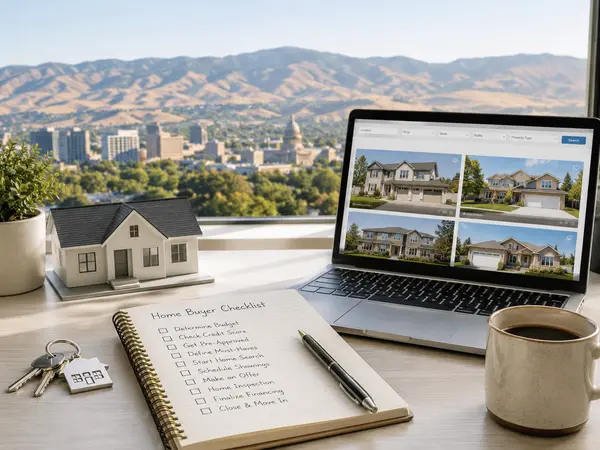
Boise Idaho Home Buyer Checklist (2026): What to Know Before Making an Offer
Buying a home in Boise, Idaho can feel much easier when you know what to expect before making an offer. The best time to prepare is before you find the right home, not after you are competing for it. This Boise Idaho home buyer checklist covers the major steps involved in 2026, including financing,
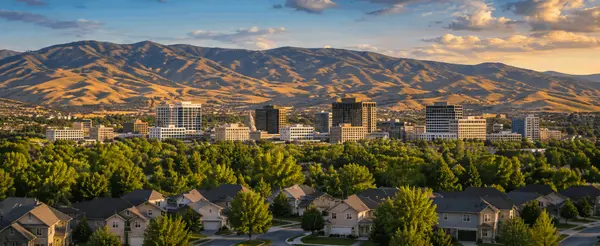
Best Places to Buy a Home Near Boise, Idaho in 2026: Boise vs. Meridian vs. Eagle vs. Star
If you are wondering about the best places to buy a home near Boise, Idaho, the answer depends on your budget, commute, lifestyle preferences, housing needs, and long-term goals. Boise, Meridian, Eagle, and Star are four of the most commonly compared areas in the Treasure Valley, and each one offers
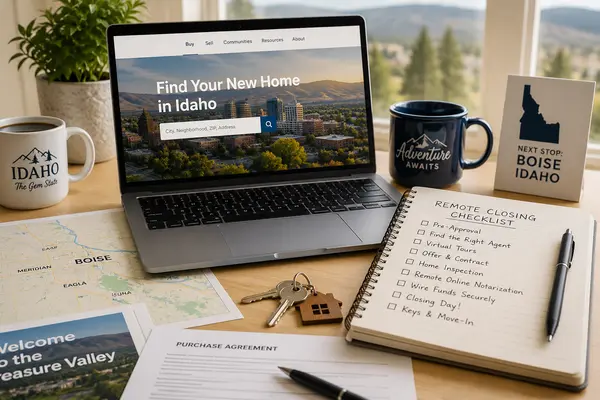
Buying a Home in Idaho From Out of State: A Remote Closing Checklist
Buying a home in Idaho from out of state is possible, and many buyers relocating to Boise, Meridian, Eagle, Star, and the Treasure Valley complete much of the process remotely. When the lender, title company, Realtor, and buyer are coordinated early, remote steps such as electronic signatures, vir