

Buying a home in Boise, Idaho can feel much easier when you know what to expect before making an offer. The best time to prepare is before you find the right home, not after you are competing for it.
This Boise Idaho home buyer checklist covers the major steps involved in 2026, including financing, community research, offer preparation, inspections, appraisal, closing timelines, and move-in planning. Whether you are buying locally or relocating to the Treasure Valley, having a clear plan can help you make a more confident decision.
Why Buyers Need a Checklist Before Making an Offer
Many buyers begin their home search by looking at homes online. That is a good starting point, but photos and listing descriptions only show part of the picture. Before making an offer, buyers should understand their budget, financing options, preferred locations, contract terms, inspection needs, and closing timeline.
Boise, Meridian, Eagle, and Star each offer different housing options, commute patterns, amenities, and price points. A checklist helps you compare homes more clearly and avoid rushing into a decision without reviewing the details that matter.
A strong home-buying plan should answer three key questions: What can I comfortably afford? Where do I want to focus my search? What do I need to know before making an offer?
1. Get Fully Pre-Approved
Full pre-approval means your lender has reviewed your income, credit, assets, debt, and loan options, not just run a quick online estimate. This is the first step before touring homes seriously.
Before touring homes, ask your lender:
- What price range fits my monthly payment comfort level?
- What loan programs should I consider?
- How much cash will I need for down payment and closing costs?
- What is my estimated monthly payment?
- How much can interest rate changes affect my payment?
- Do I qualify for any buyer assistance programs?
- How long will loan approval take after my offer is accepted?
For buyers relocating to Idaho, it is also helpful to work with a lender who understands Idaho timelines, title coordination, property taxes, appraisal expectations, and closing requirements.
2. Know Your Monthly Payment Comfort Zone
Your full monthly payment is a better planning number than purchase price alone, since it can include principal, interest, taxes, insurance, HOA dues, and maintenance in addition to the loan itself.
Your payment may include:
- Principal and interest
- Property taxes
- Homeowners insurance
- Mortgage insurance, if applicable
- HOA dues
- Utilities
- Maintenance
- Special assessments, if applicable
Two homes with the same purchase price can have very different monthly costs depending on taxes, insurance, HOA dues, and property condition. Before making an offer, review the full monthly estimate with your lender so there are no surprises.
3. Compare Boise, Meridian, Eagle, and Star

The right home for you may be in Boise or in one of the nearby Treasure Valley communities, and each one offers a distinct mix of homes, commute patterns, and pricing.
Boise may appeal to buyers who want established neighborhoods, downtown access, the Boise River Greenbelt, foothills recreation, and a variety of home styles.
Meridian may appeal to buyers who want a central Treasure Valley location, newer communities, shopping, parks, and convenient access to surrounding areas.
Eagle may appeal to buyers who want custom homes, luxury properties, scenic settings, larger lots in some areas, or access to outdoor amenities.
Star may appeal to buyers who want newer construction, more space in some neighborhoods, and a setting farther west in the Treasure Valley.
Before making an offer, compare commute routes, nearby services, HOA rules, traffic patterns, future development, and the overall property setting.
4. Decide What Matters Most in a Home
Before touring homes, separate your must-haves from your nice-to-haves. This keeps your search focused and helps you avoid getting distracted by features that do not support your long-term goals.
Consider these buyer priorities:
- Number of bedrooms and bathrooms
- Single-level or two-story layout
- Garage size
- RV parking or storage needs
- Lot size
- Home office or flex space
- Kitchen layout
- Outdoor space
- Low-maintenance living
- New construction or resale home
- HOA or no HOA preference
- Proximity to work, services, recreation, or community resources
It is also helpful to think about resale. Even if you plan to stay for many years, the layout, location, condition, and neighborhood setting can affect future marketability.
5. Review the Property Condition Carefully
A home can look beautiful online and still need important maintenance or repairs, so condition, age, and possible future costs deserve close attention before you offer.
Important items to review include:
- Roof age and condition
- HVAC system age and service history
- Water heater age
- Windows
- Siding and exterior condition
- Foundation and drainage
- Plumbing
- Electrical system
- Appliances
- Flooring
- Irrigation system
- Fence condition
- Garage and driveway
- Sewer line considerations
- Signs of water intrusion or deferred maintenance
For newer construction, buyers should still review workmanship, warranty details, grading, drainage, final finishes, and inspection results.
6. Understand HOA Rules Before You Offer
An HOA can affect how you use and modify your property, so its dues, restrictions, and rules should be reviewed before you write an offer, not after.
Review:
- Monthly or annual dues
- Transfer fees
- Architectural guidelines
- Parking rules
- Rental restrictions
- Pet policies, if applicable
- Maintenance responsibilities
- Community amenities
- Rules for fencing, landscaping, paint colors, sheds, or exterior changes
7. Understand the Offer Terms
A strong offer is about more than price. Sellers weigh the full package, including financing, contingencies, earnest money, closing date, inspection timeline, appraisal terms, and requested seller concessions.
In the Boise-area market, earnest money is typically around 1% of the purchase price, due within three to five business days of an accepted offer and held by the title company in a separate trust account until closing. In competitive offers, buyers sometimes offer more to strengthen their position.
Before making an offer, review:
- Offer price
- Earnest money amount
- Financing terms
- Inspection timeline
- Appraisal terms
- Closing date
- Possession date
- Seller-paid closing costs, if requested
- Included appliances or personal property
- HOA document review
- Contingencies
- Repair request options
- Any special terms
In a competitive situation, your Realtor can help you understand which terms may make your offer more attractive while still protecting your interests.
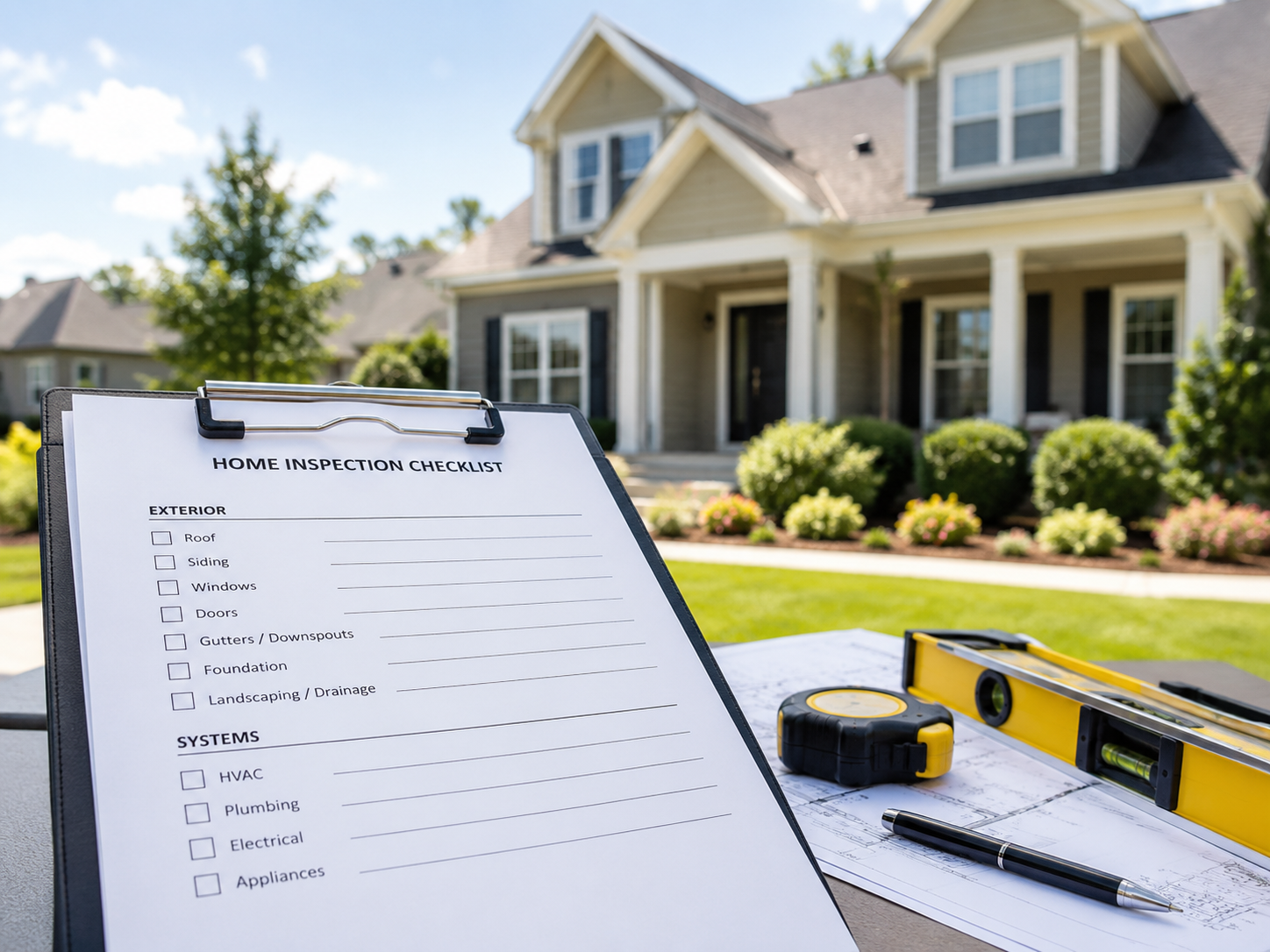
8. Plan for Inspections
A general home inspection typically costs between $500 - $1000 in Idaho depending the types of items a buyer chooses and is one of the most important steps after your offer is accepted, since it identifies the property's true condition before you are locked in.
Common inspections or evaluations may include:
- General home inspection
- Sewer scope
- Radon test
- Roof evaluation
- HVAC evaluation
- Structural evaluation
- Well or septic inspection, if applicable
- Pest or wood-destroying organism inspection, if appropriate
Inspection needs vary by property age, location, condition, and property type. A newer home is not automatically free from issues, and an older home is not automatically a problem. The key is knowing what you are buying.
9. Understand the Appraisal Process
An appraisal is the lender-ordered evaluation that confirms whether a home's value supports the loan amount, and it typically costs between $600 and $800+ especially for larger, rural, acreage in Idaho.
If the appraisal comes in at or above the contract price, the transaction usually continues forward as planned. If the appraisal comes in low, the buyer and seller may need to negotiate options, which could include a price adjustment, additional buyer funds, seller concessions, or other agreed-upon solutions.
Before making an offer, ask your lender and Realtor how appraisal issues are handled in Idaho purchase contracts and what options may be available if the value comes in lower than expected.
10. Review the Closing Timeline
A typical financed purchase in Idaho takes approximately 30 to 45 days to close, depending on the lender, appraisal, title work, inspection timeline, and contract terms. Cash purchases or builder transactions may follow a different timeline.
During the closing process, buyers usually work through:
- Loan application updates
- Inspection and repair negotiations
- Appraisal
- Title review
- Homeowners insurance
- HOA document review, if applicable
- Final loan approval
- Closing disclosure review
- Final walkthrough
- Signing documents
- Funding and recording
- Key transfer
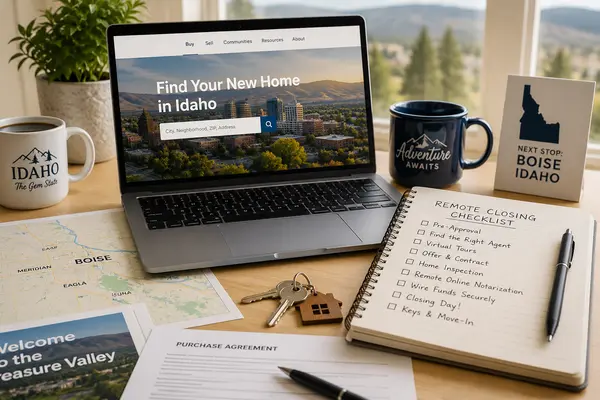
For out-of-state buyers, some steps may be completed remotely, but the process should be coordinated early with the lender and title company.
11. Protect Yourself From Wire Fraud
Real estate wire fraud happens when criminals intercept or spoof closing wire instructions to redirect buyer funds, and industry data shows the average loss per incident runs well into six figures. Never rely only on emailed wiring instructions.
Before wiring funds:
- Call the title company directly using a verified phone number
- Confirm the wire amount
- Confirm the receiving bank details
- Be cautious of last-minute wire changes
- Do not send sensitive financial information by unsecured email
- Stop and verify if anything feels unusual
This is one of the most important safety steps in the entire transaction.
12. Prepare for the Final Walkthrough
The final walkthrough is the buyer's last opportunity to confirm the property is in the expected condition before the transaction closes, and it usually happens shortly before signing.
During the walkthrough, buyers may review:
- Agreed-upon repairs
- Included appliances
- Heating and cooling systems
- Plumbing fixtures
- Lights and outlets
- Windows and doors
- Garage doors
- Exterior condition
- Cleanliness and personal property removal
- Any changes since the inspection
The final walkthrough is not a full inspection, but it is an important step before closing.

13. Plan Your Move-In Details
Before closing, buyers should prepare for a smooth transition into the home.
Helpful move-in steps include:
- Set up utilities
- Arrange homeowners insurance
- Schedule movers
- Confirm closing and recording timing
- Review HOA contact information
- Transfer mail
- Set up internet service
- Confirm trash service
- Collect keys, garage openers, mailbox keys, and access codes
- Plan for cleaning or minor repairs
- Keep closing documents organized
For relocation buyers, it is especially helpful to plan these details before arrival so move-in day feels more organized.
Local Realtor Insight
As a Treasure Valley Realtor working with buyers across Boise, Meridian, Eagle, and Star, I walk clients through this exact checklist on every transaction, from the first pre-approval conversation through the final walkthrough and key handoff. Relocating buyers in particular lean on this process, since many of them are coordinating financing, inspections, and closing from out of state and need a clear sequence to follow rather than a general overview.
A successful purchase is not just about finding a home that looks good online. It is about understanding the full picture: location, condition, financing, inspections, HOA details, appraisal risk, and long-term fit.
As an AI Certified Agent, I use modern tools to help buyers organize their search, track listings, monitor market activity, and identify homes that match their goals faster than a manual search alone, while every step of the actual transaction still gets my direct, hands-on review.
Final Thoughts
Buying a home in Boise, Idaho is easier when you have a clear checklist and understand the process before making an offer. The strongest buyers are prepared before the right home appears.
Start with financing, clarify your budget, compare communities, review property condition, understand offer terms, prepare for inspections, and stay organized through closing.
Thinking about buying a home in Boise or the Treasure Valley? Sylvia Dorrance, REALTOR®, AI Certified Agent, can help you compare homes, understand the process, and create a clear plan before you make an offer.
Schedule a call with Sylvia Dorrance to start your Boise-area home search.
Frequently Asked Questions
What should I do before buying a home in Boise? Before buying a home in Boise, get pre-approved, understand your monthly payment comfort zone, compare communities, decide on your must-have features, and review current market conditions with a local Realtor.
How much should I budget before making an offer? Buyers should budget for the down payment, closing costs, inspections, appraisal, homeowners insurance, moving expenses, HOA costs if applicable, and future maintenance. In the Boise area, earnest money is typically around 1% of the purchase price, home inspections generally run $500 to $1,000, and appraisal fees typically run $600 to $800 or more for larger, rural, or acreage properties.
What inspections should Boise buyers consider? Most buyers start with a general home inspection. Depending on the property, buyers may also consider a sewer scope, radon test, roof evaluation, HVAC evaluation, structural evaluation, pest inspection, or well and septic inspections if applicable.
How competitive is the Boise housing market? The Boise housing market can vary by price range, property type, location, and season. Some homes may receive strong interest quickly, while others may allow more room for negotiation. Buyers should review current local data before making an offer.
What happens after my offer is accepted? After your offer is accepted, you will usually deposit earnest money, complete inspections, work through financing, review title and HOA documents if applicable, complete the appraisal, obtain final loan approval, sign closing documents, and complete the final walkthrough before closing.
FROM OUR BLOG


Best Places to Buy a Home Near Boise, Idaho in 2026: Boise vs. Meridian vs. Eagle vs. Star
If you are wondering about the best places to buy a home near Boise, Idaho, the answer depends on your budget, commute, lifestyle preferences, housing needs, and long-term goals. Boise, Meridian, Eagle, and Star are four of the most commonly compared areas in the Treasure Valley, and each one offers
Buying a Home in Idaho From Out of State: A Remote Closing Checklist
Buying a home in Idaho from out of state is possible, and many buyers relocating to Boise, Meridian, Eagle, Star, and the Treasure Valley complete much of the process remotely. When the lender, title company, Realtor, and buyer are coordinated early, remote steps such as electronic signatures, vir

Moving to Boise, Idaho in 2026: What Buyers Should Know Before Relocating
Moving to Boise, Idaho in 2026: What Buyers Should Know Before Relocating Thinking about moving to Boise, Idaho in 2026? Boise continues to attract attention from buyers who are looking for access to outdoor recreation, a growing metro area, a range of housing options, and a strong sense of local id